iFetureFarms
Innovative.
Future.
Farms
Our Story
Indoor Saffron Farm Story
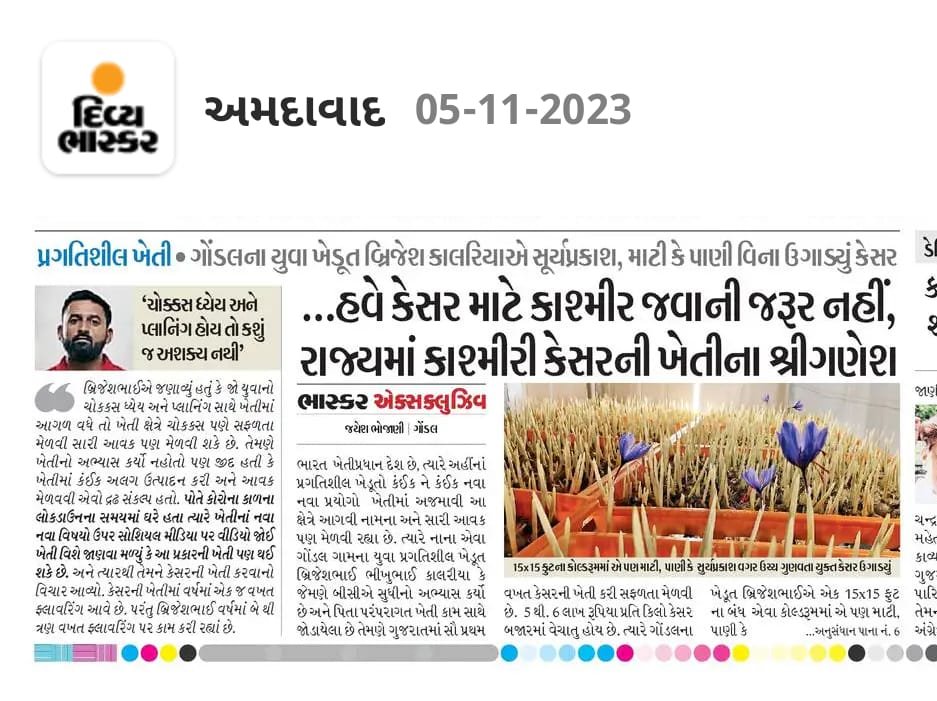
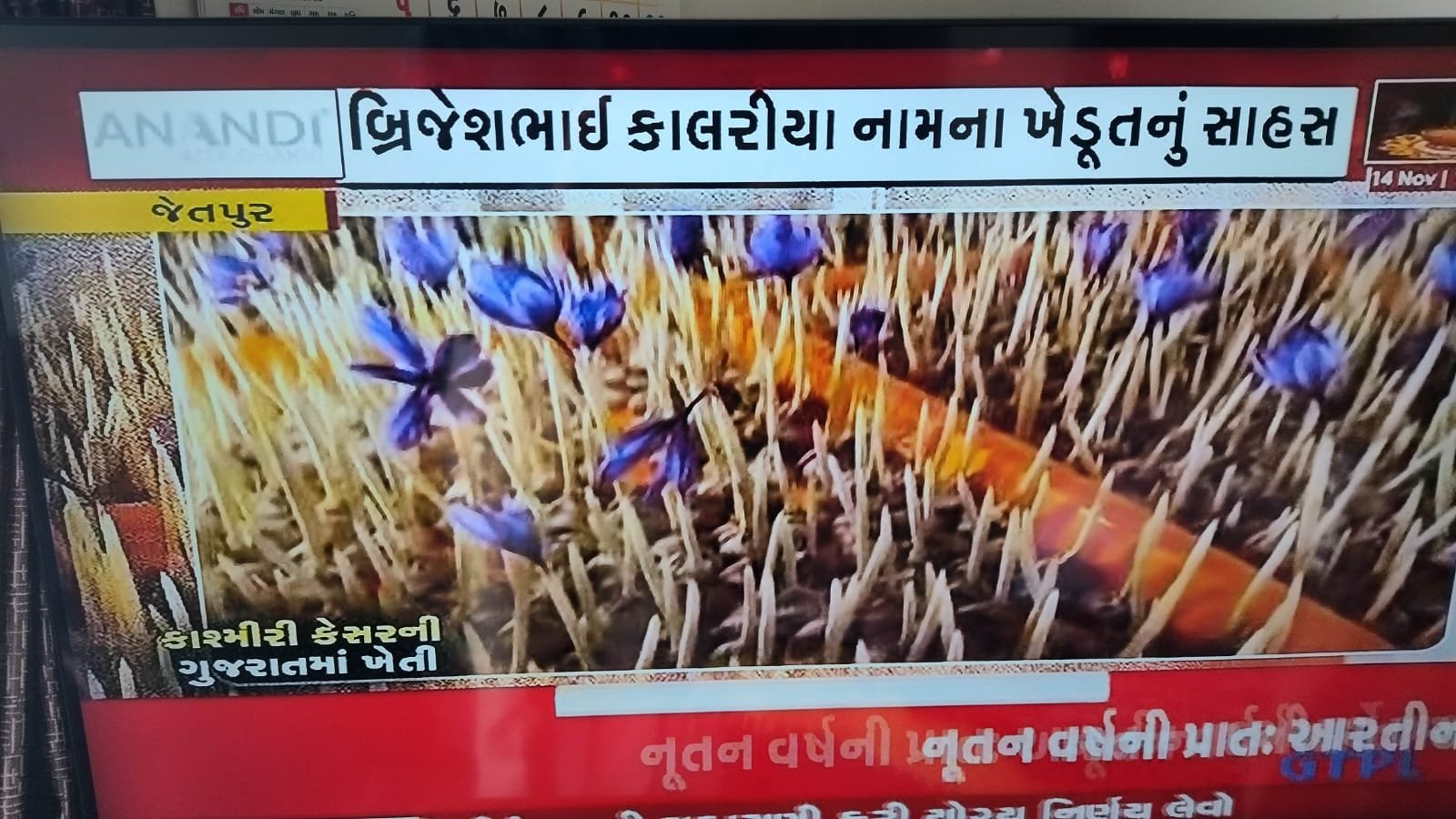
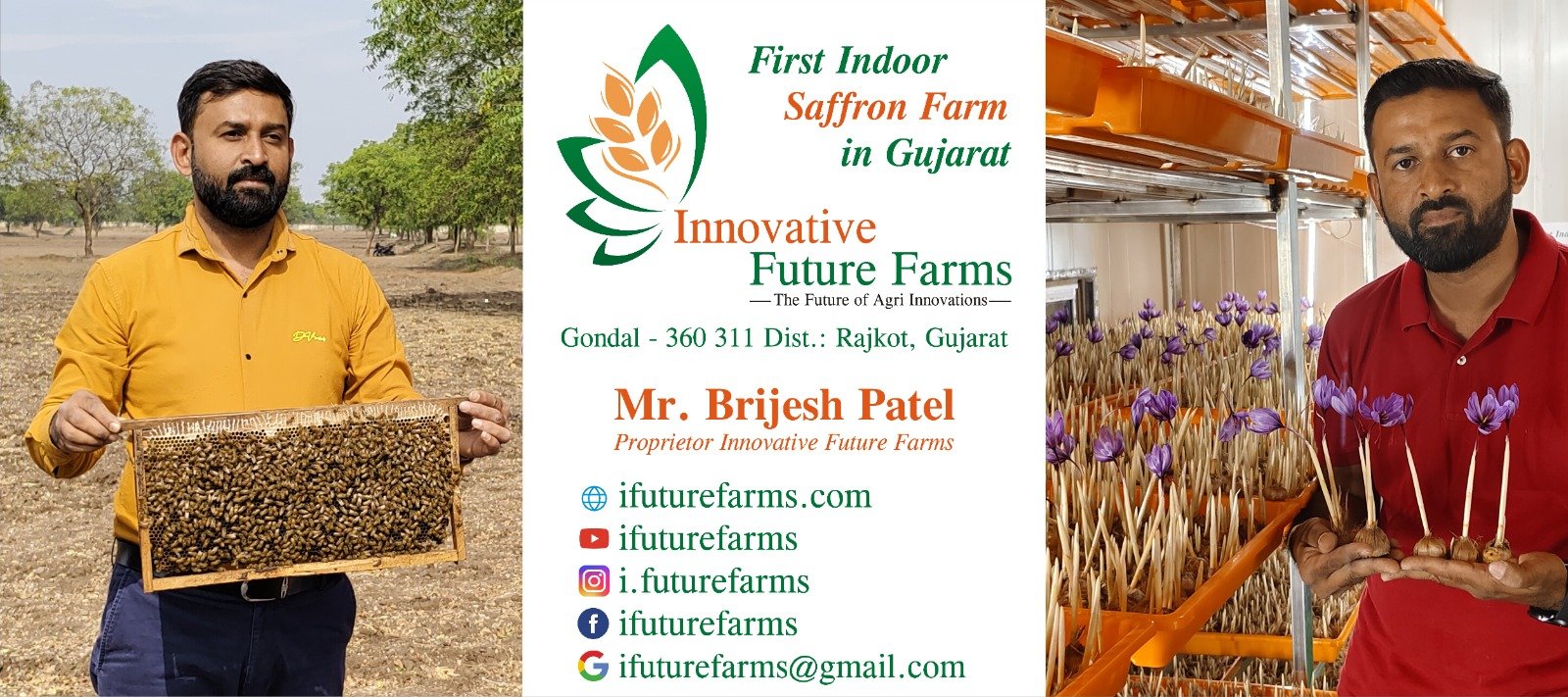
Brijesh Kalariya, a passionate and determined individual from Gondal, Rajkot, stands at the heart of the story behind the indoor saffron farm. Brijesh, born into a family deeply rooted in traditional farming, harbored a vision of transforming agricultural practices in the region. His story unfolded against the backdrop of challenges faced by local farmers due to erratic weather patterns and a desire to introduce a high-value crop that could thrive year-round.
Brijesh’s journey began with a personal connection to saffron—a spice that symbolized luxury, tradition, and a touch of the exotic. While the climate of Gondal presented challenges for traditional saffron cultivation, Brijesh’s determination led him to explore the possibilities of cultivating saffron indoors.
Driven by a blend of tradition and innovation, Brijesh spent years researching saffron cultivation techniques suitable for controlled environments. He engaged with agricultural experts, experimented with various varieties of saffron bulbs, and invested in cutting-edge technology to create an ideal indoor environment for saffron cultivation.
Brijesh’s endeavor was not merely about growing saffron; it was about creating a sustainable and community-driven agricultural model. His farm became a symbol of agricultural innovation, a place where traditional wisdom met modern techniques. Brijesh’s commitment to sustainability led him to implement eco-friendly practices, minimizing the environmental impact of his indoor saffron cultivation.
The story unfolds as Brijesh faced the initial challenges of skepticism and uncertainty from the local farming community. However, he persisted, sharing his knowledge and experiences with fellow farmers, hosting workshops, and building a network of support. The success of his indoor saffron farm not only transformed his life but also inspired others to explore innovative approaches to agriculture.
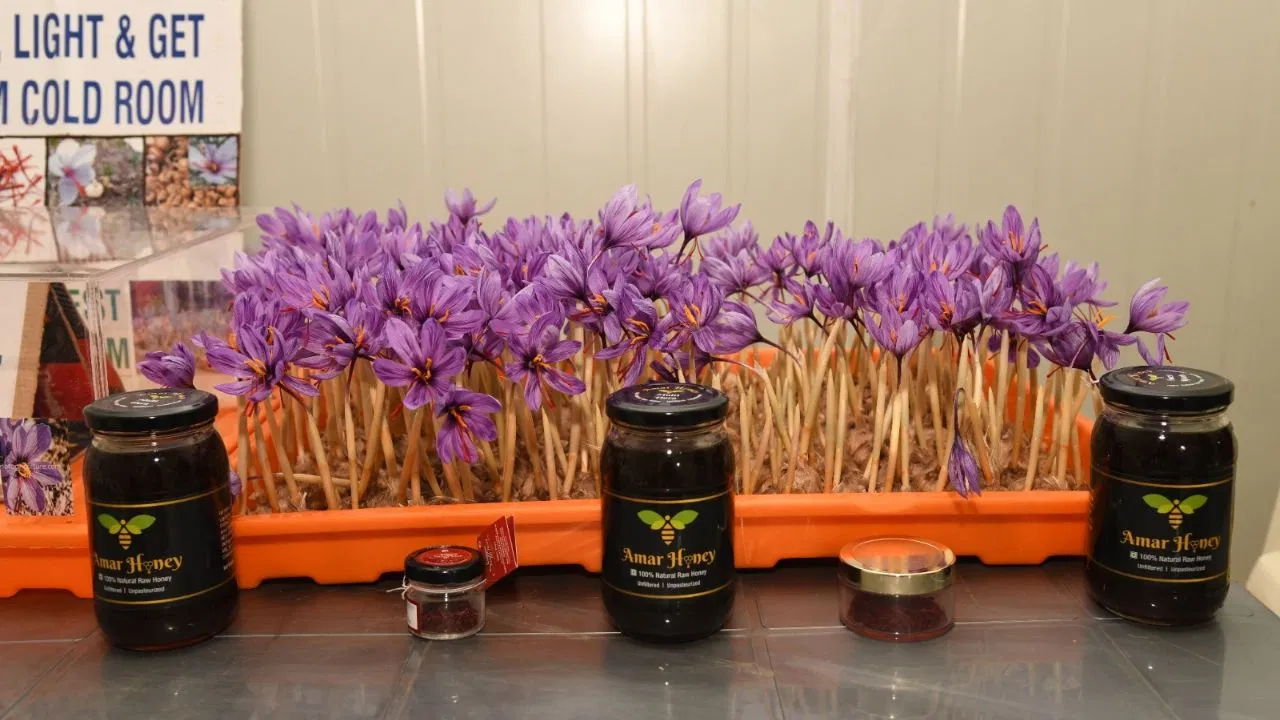
Brijesh Kalariya’s farm became a beacon of hope for the community, offering an alternative path to prosperity and resilience in the face of agricultural uncertainties. His saffron threads found their way into local markets, gourmet kitchens, and even international trade, putting Gondal on the map as a hub for premium saffron production.
As the story of Brijesh Kalariya’s indoor saffron farm spread, it became more than just a tale of agricultural success. It became a narrative of community empowerment, sustainable farming practices, and the potential for positive change in the agricultural landscape of Gondal, Rajkot, India. Brijesh’s legacy extended beyond his farm, leaving an indelible mark on the region’s agricultural identity.

Chemical-Free
Fresh & Healthy
100% Organic
Playlist

0:16
0:16
0:16
0:16
0:16
0:16

Innovative.
Future.
Farms
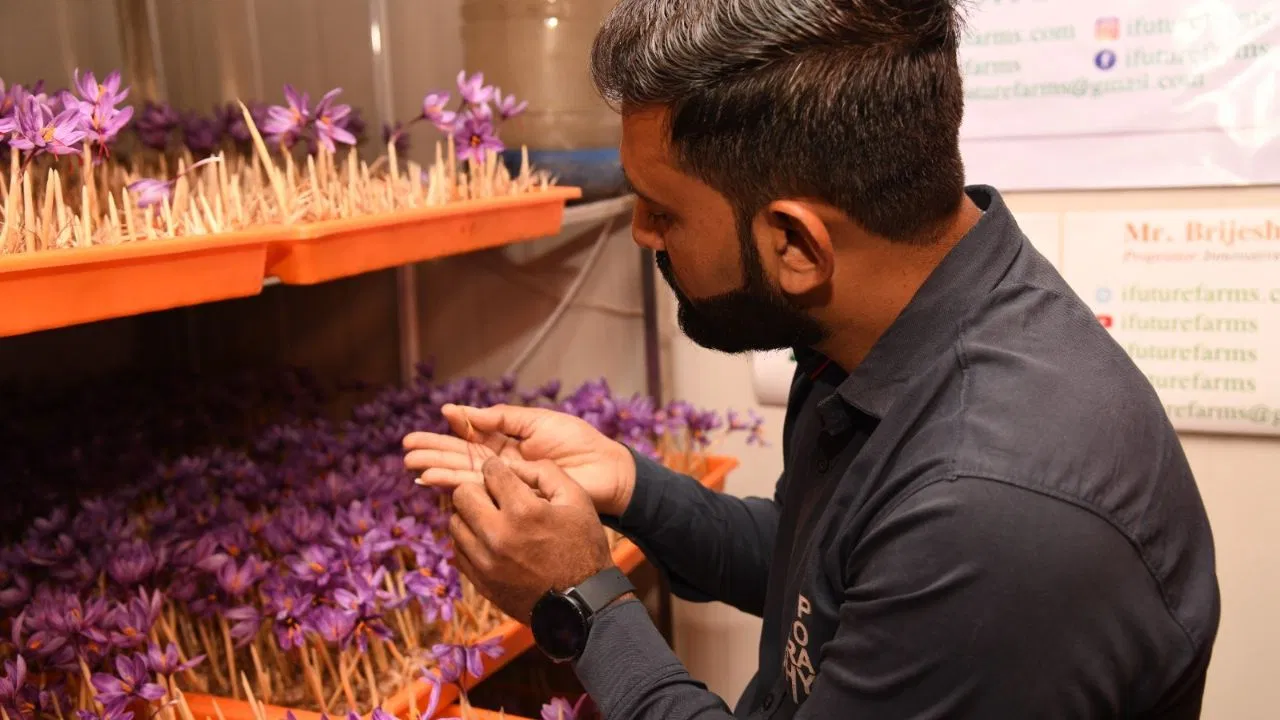
Indoor Saffron Farms Environment
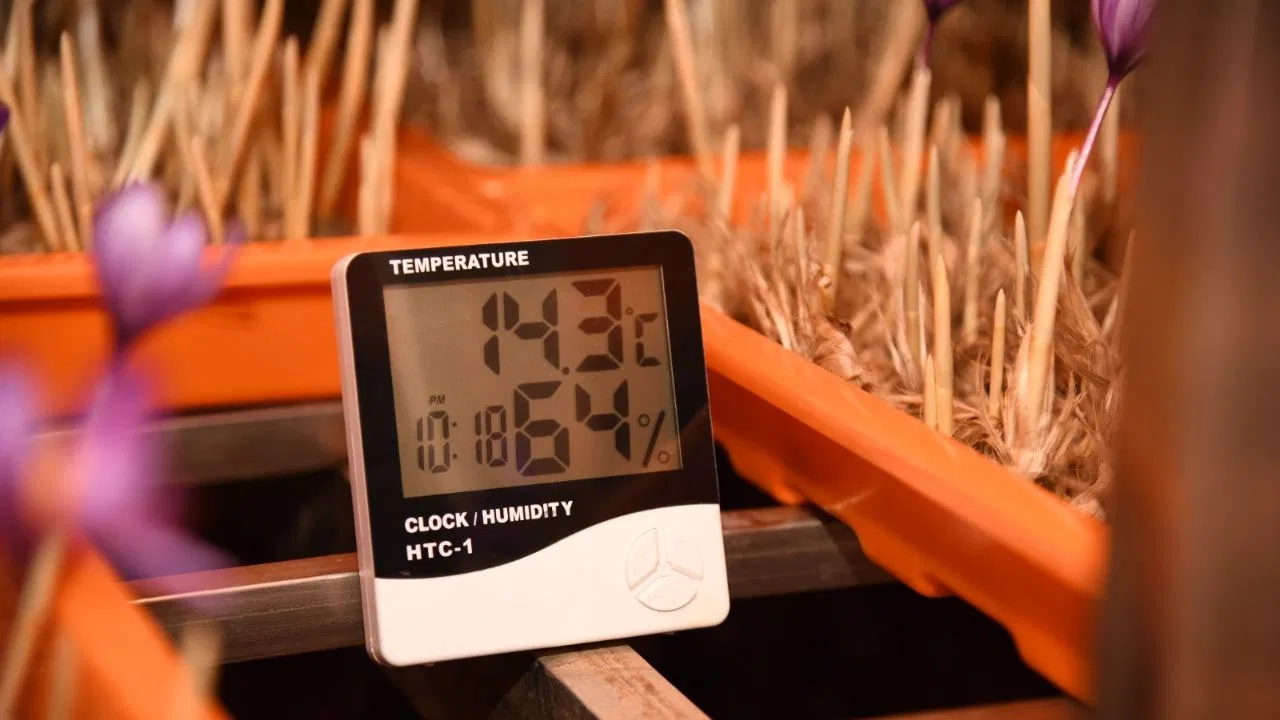
Climate Control: Indoors, you have the flexibility to control temperature, humidity, and light conditions. Saffron typically prefers a Mediterranean climate, so maintaining a temperature range of 15-20°C (59-68°F) during the growing season is beneficial.
Lighting: Saffron plants require plenty of sunlight. If natural light is insufficient, you may need to supplement it with artificial lighting. High-intensity discharge (HID) lamps or LED grow lights with the appropriate spectrum for plant growth can be used.
Growing Medium: Use a well-draining, sandy soil mix enriched with organic matter for saffron cultivation. Containers or raised beds can be suitable for indoor cultivation.
Containers and Spacing: Plant saffron bulbs in containers with good drainage. Allow sufficient spacing between bulbs to prevent overcrowding. The bulbs should be planted at a depth of about 10-15 cm (4-6 inches).
Watering: Saffron prefers well-drained soil and does not tolerate waterlogged conditions. Water the plants sparingly to prevent bulb rot. Allow the soil to dry out slightly between watering.
Fertilization: Use a balanced fertilizer to provide essential nutrients. Avoid excessive nitrogen, as it can promote foliage growth at the expense of flower production.
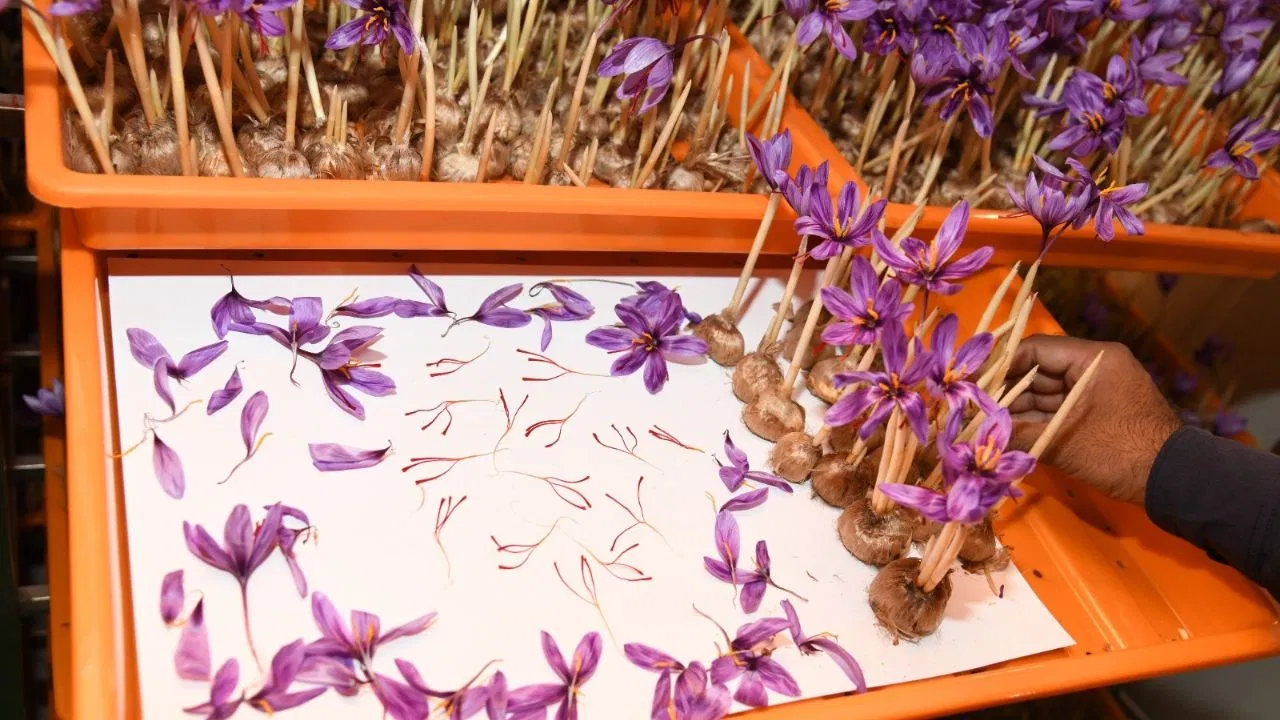
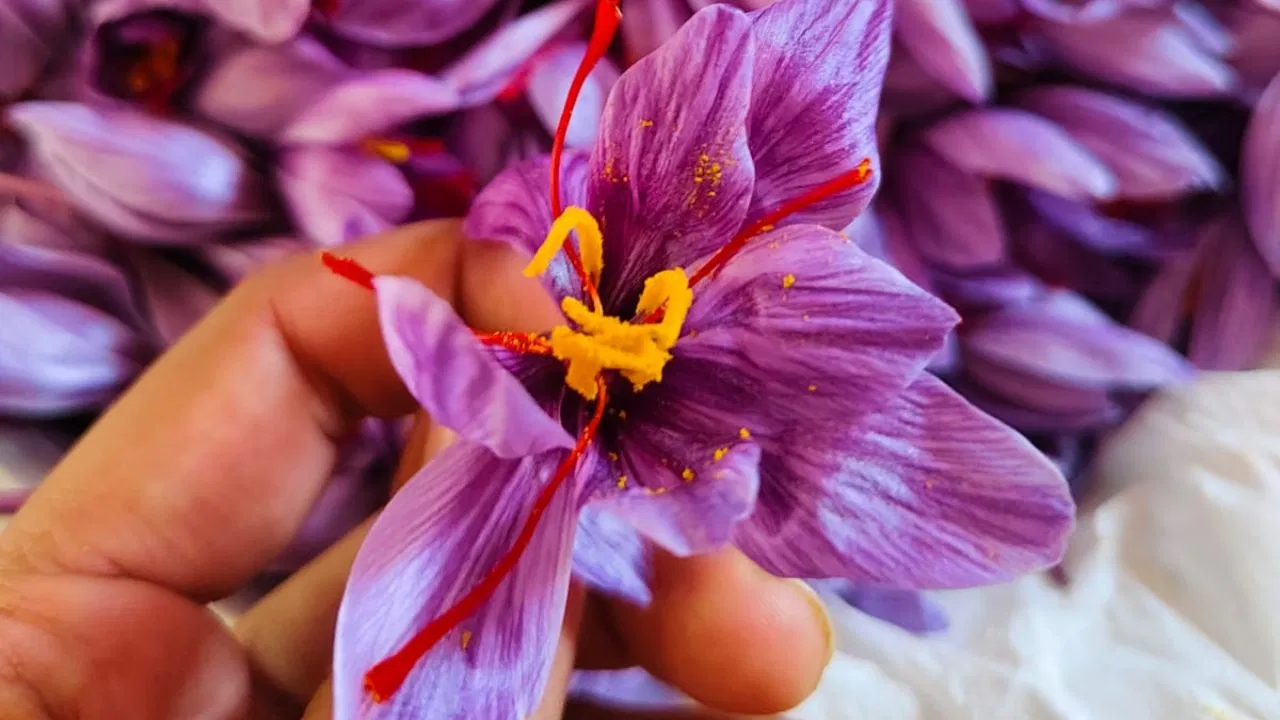
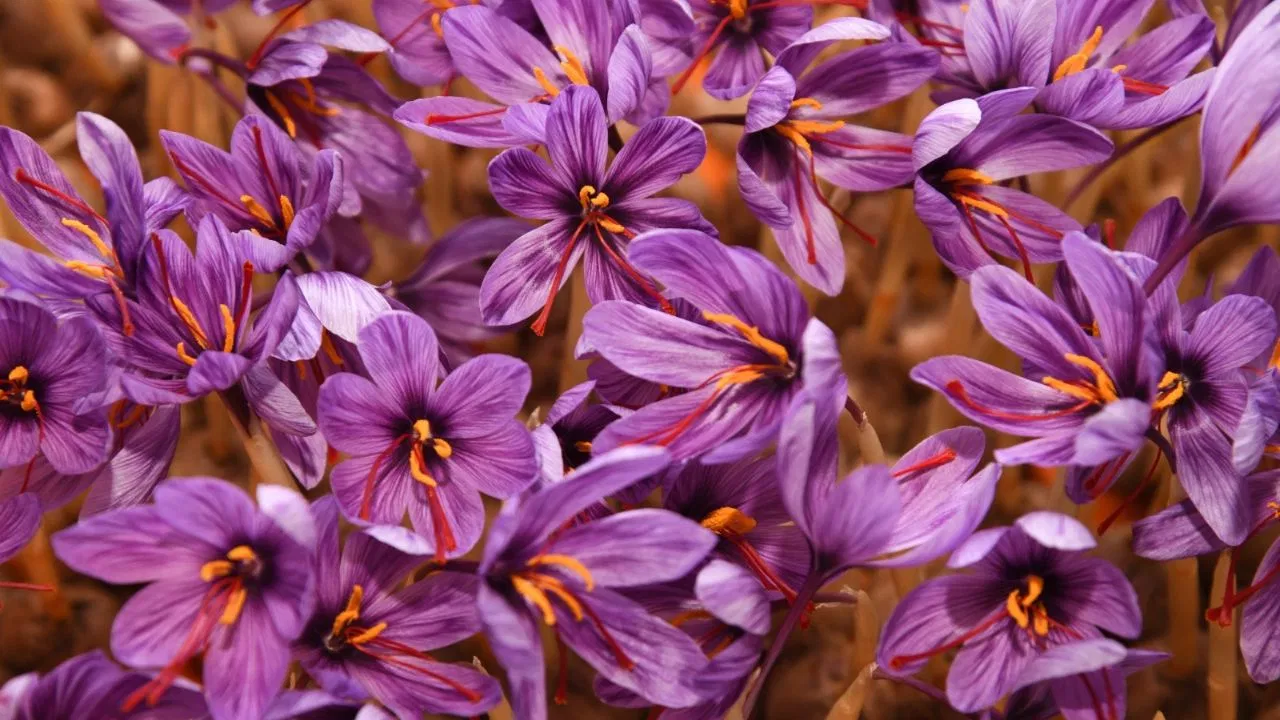
Harvesting: Harvest saffron when the flowers bloom. Gently pluck the red-orange stigmas from each flower. Handle the delicate saffron threads with care.
Drying and Storage: Dry the saffron threads in a well-ventilated area or using specialized drying equipment. Once dried, store saffron in a cool, dark place in airtight containers to preserve its quality.
Pest and Disease Management: Keep a close eye on pests and diseases. Indoor cultivation can help minimize some of these issues, but preventive measures such as proper sanitation and monitoring are essential.
Local Regulations and Licensing: Check local regulations and obtain any necessary permits for indoor farming. Some areas may have specific rules regarding agricultural practices, even for indoor cultivation.
Varieties: Choose saffron bulb varieties that are well-suited for indoor cultivation. Some varieties may adapt better to controlled environments, so research and select bulbs that thrive in conditions similar to those you can provide indoors.
Ventilation: Ensure proper air circulation within the indoor space. Good ventilation helps prevent the development of fungal diseases and provides a healthier environment for plant growth.
Pollination: Saffron plants are generally self-pollinating, but if you notice low fruit set, you can gently shake the flowers to aid in pollination. Be cautious, as saffron flowers are delicate.
Monitoring and Record-keeping: Keep detailed records of your cultivation practices, including planting dates, watering schedules, and any changes in environmental conditions. This information can be valuable for optimizing your future cultivation efforts.
Scaling Up: Consider starting small and gradually scaling up your operation based on your experience and success. This approach allows you to fine-tune your cultivation methods before investing in a larger production.
Educational Resources: Stay informed about saffron cultivation through books, online resources, and agricultural extension services. Attend workshops or training programs to enhance your knowledge of saffron farming techniques.
Marketing: Develop a marketing strategy for selling your saffron. Consider local markets, specialty stores, or even online platforms. Highlight the unique qualities of your saffron, such as its cultivation in a controlled indoor environment.
Community Engagement: Engage with local agricultural communities, research institutions, or horticultural organizations. Networking with experienced growers and experts can provide valuable insights and support.
Sustainable Practices: Implement sustainable and environmentally friendly practices in your indoor saffron farm. Consider organic cultivation methods and explore ways to minimize the environmental impact of your operation.
Adaptation: Continuously assess and adapt your cultivation practices based on the performance of your saffron plants. This adaptive approach is crucial for overcoming challenges and improving your overall yield and quality.